Capelli Stool

Summary

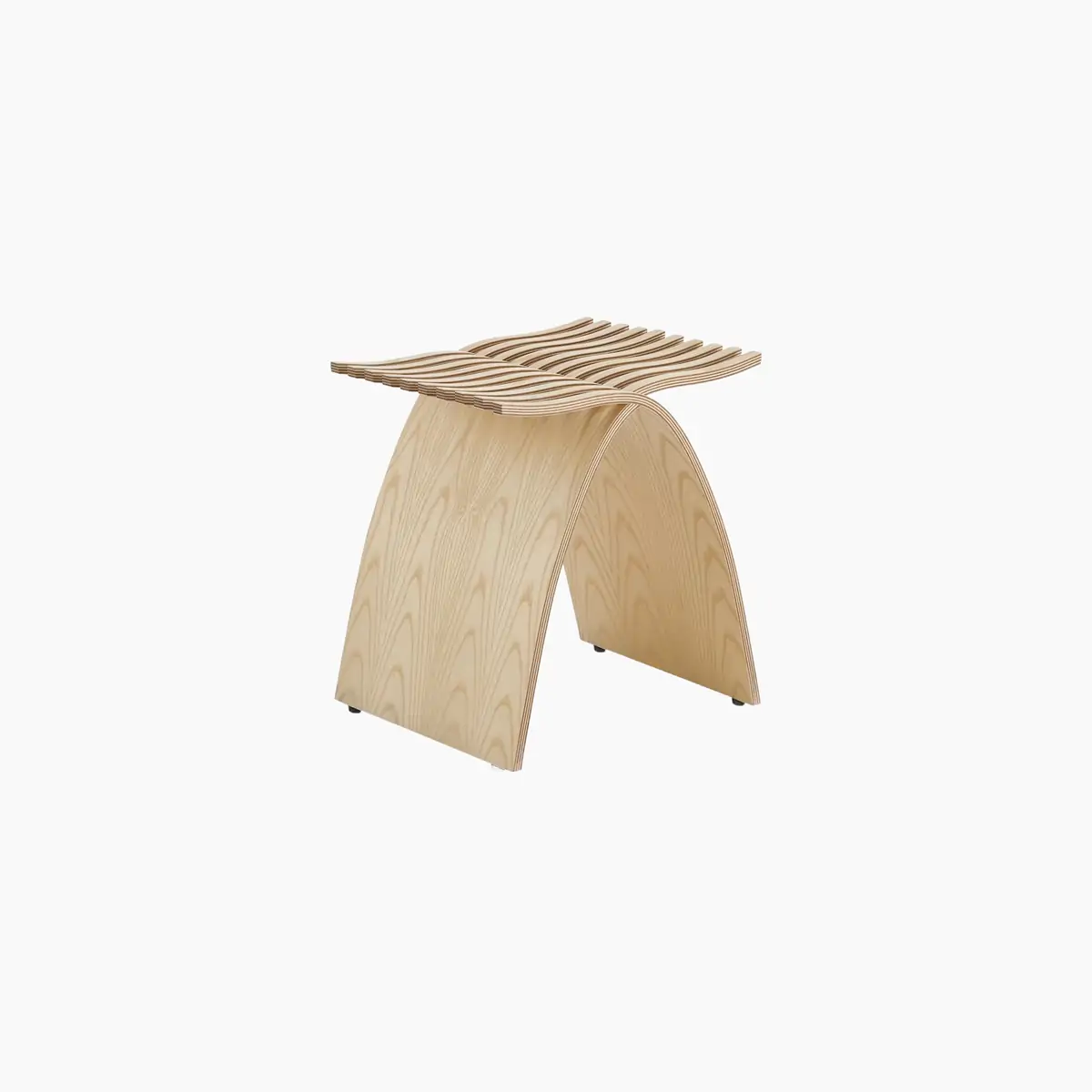
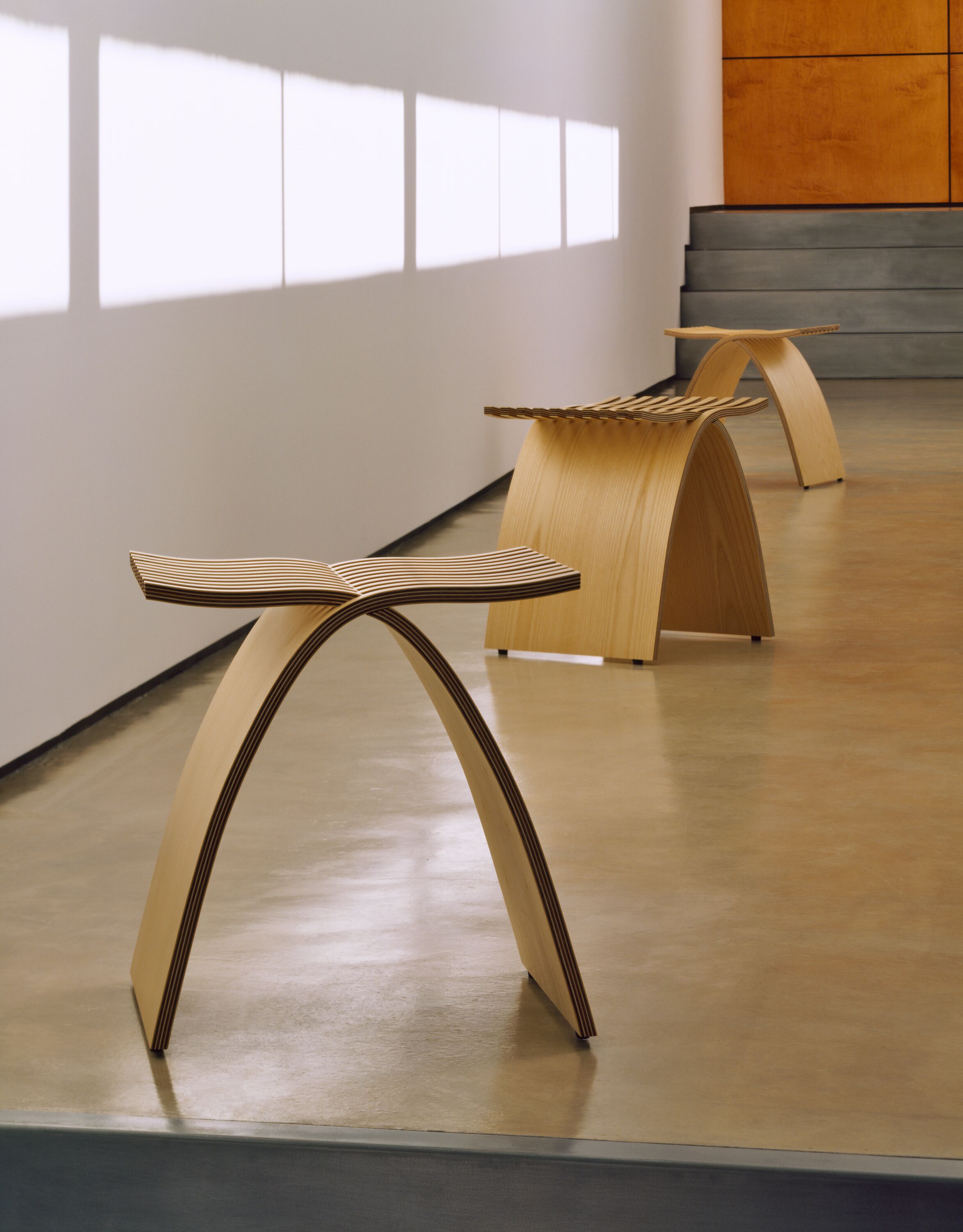
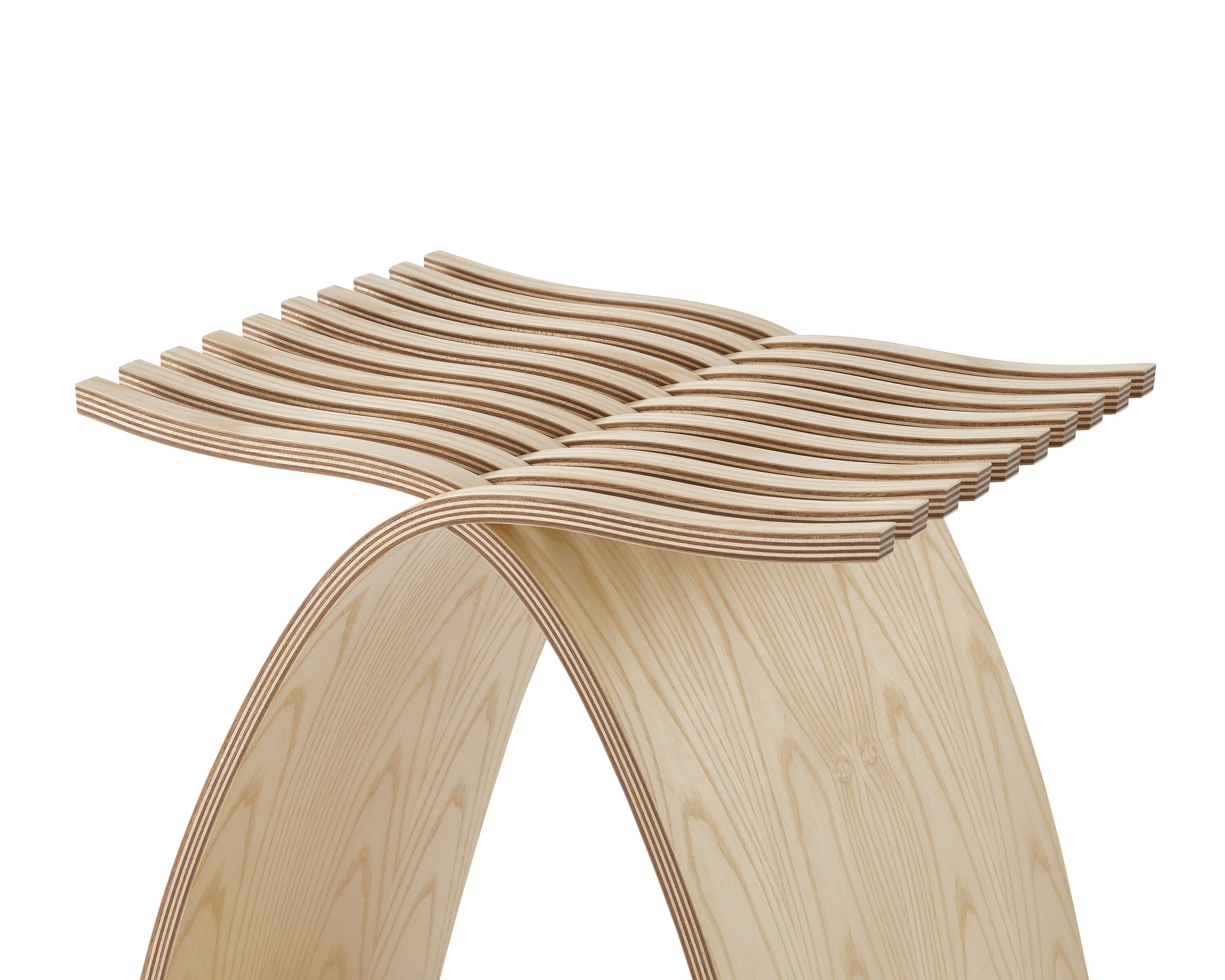
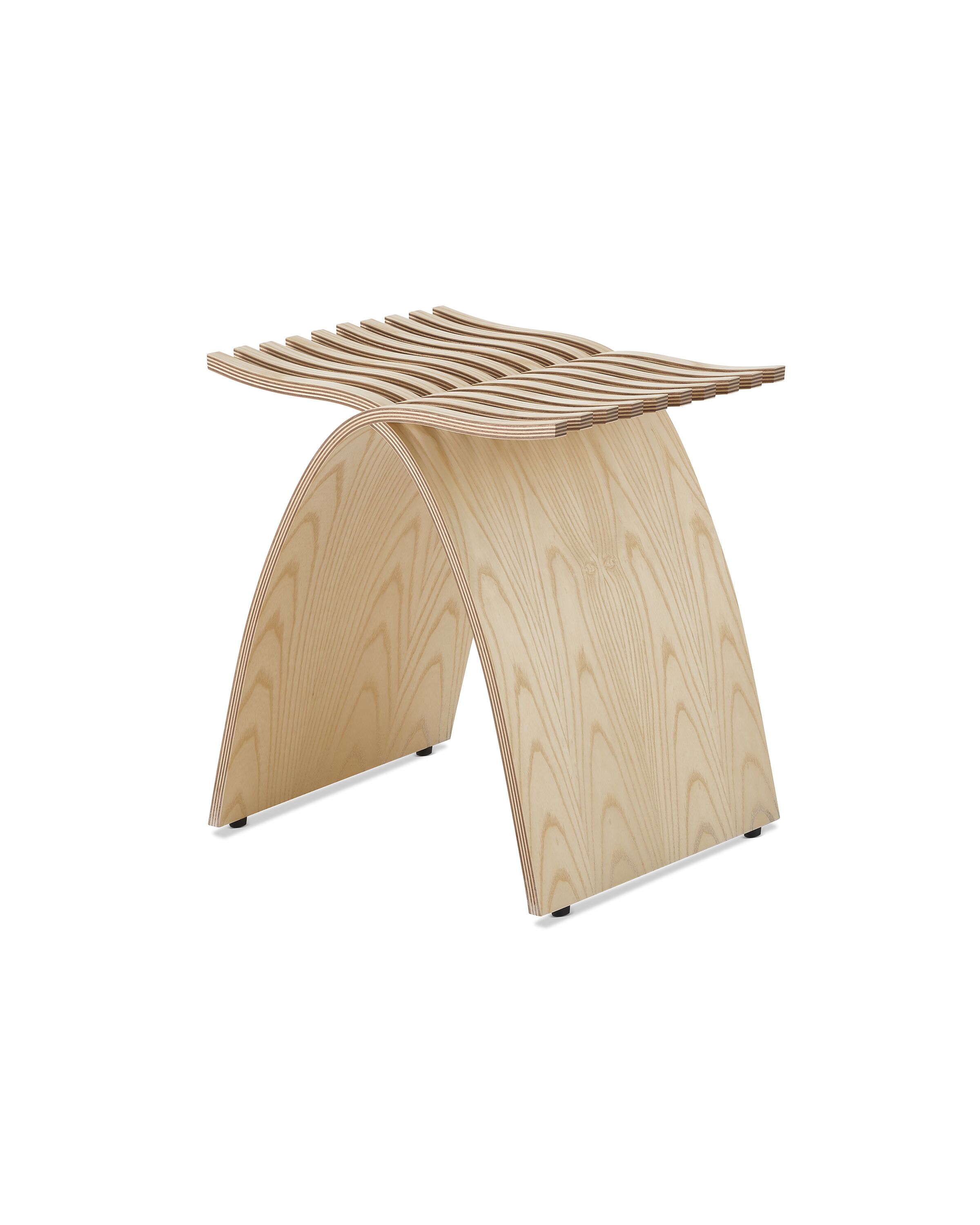
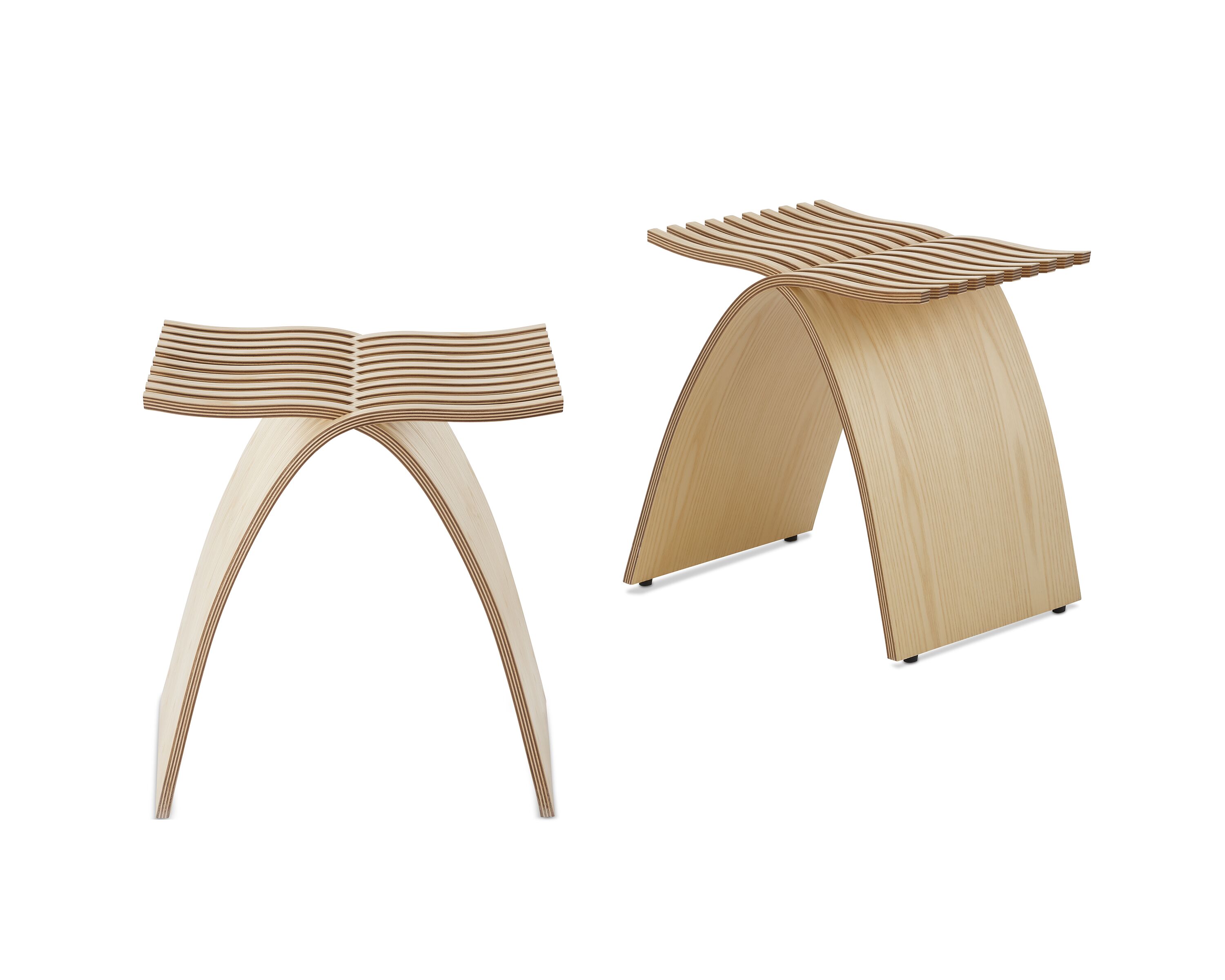
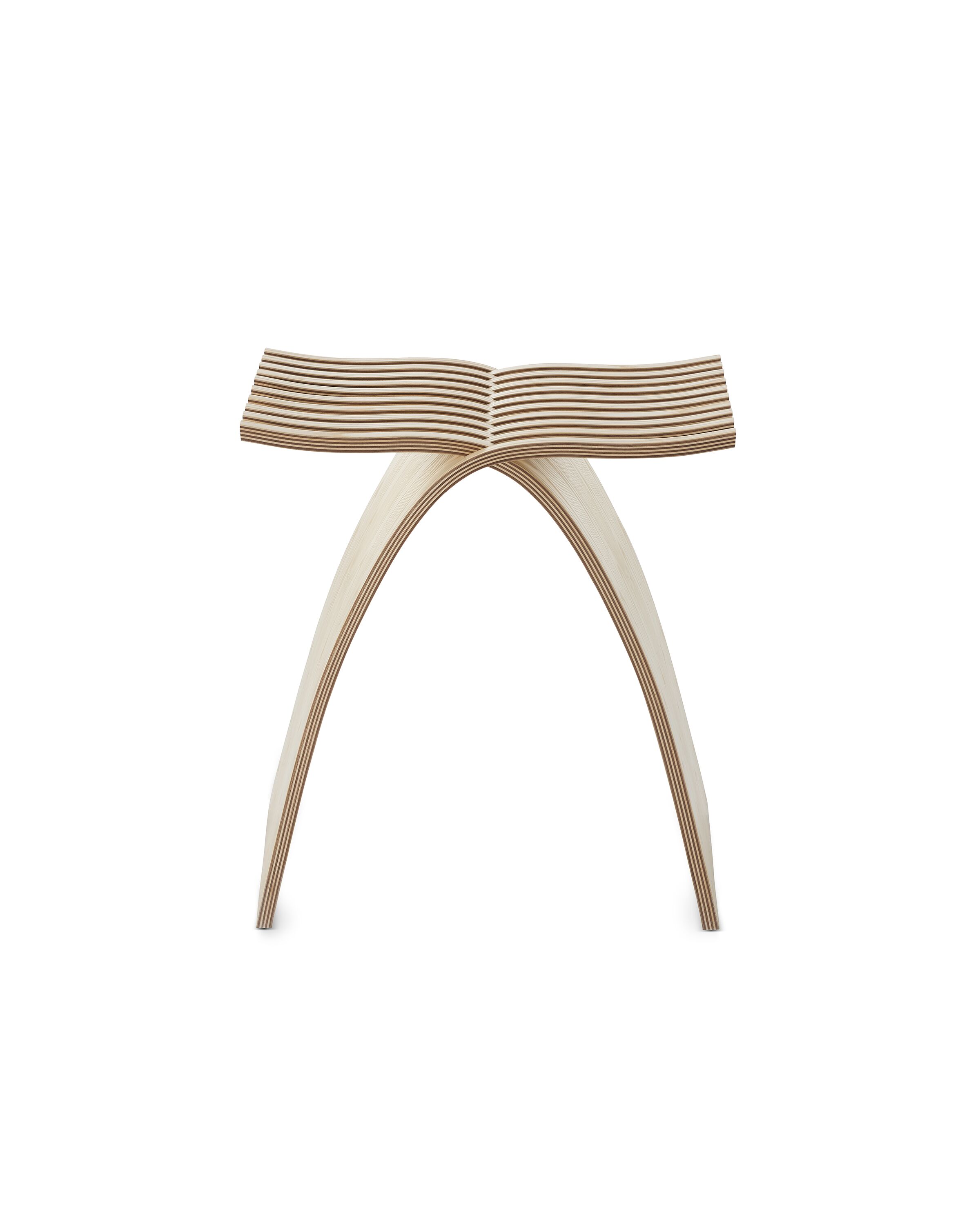
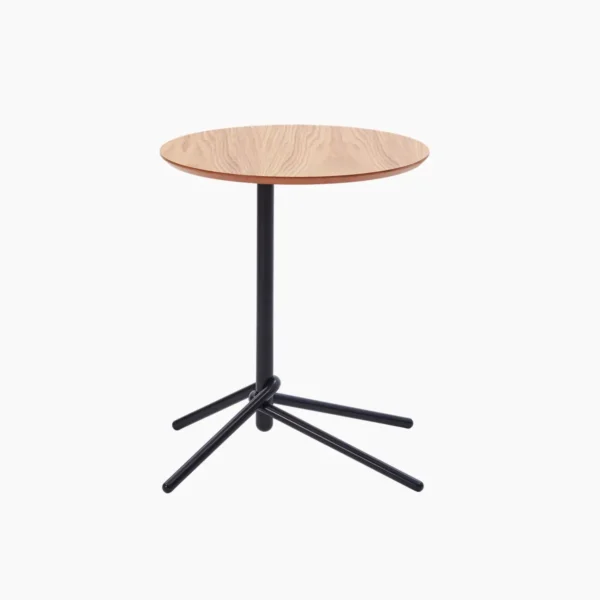
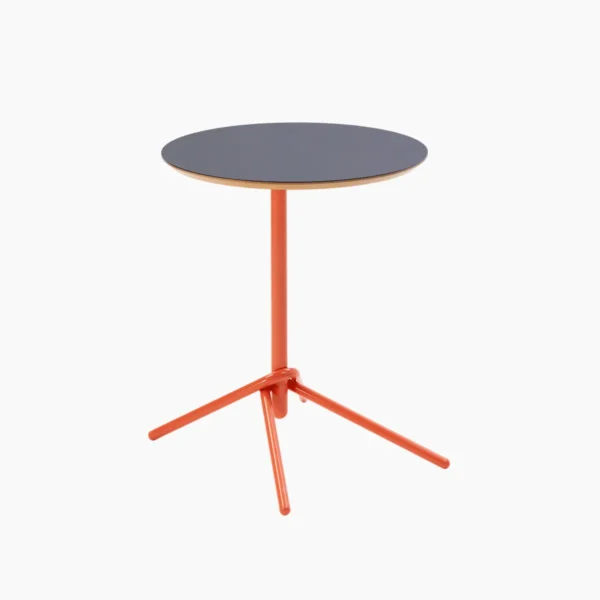
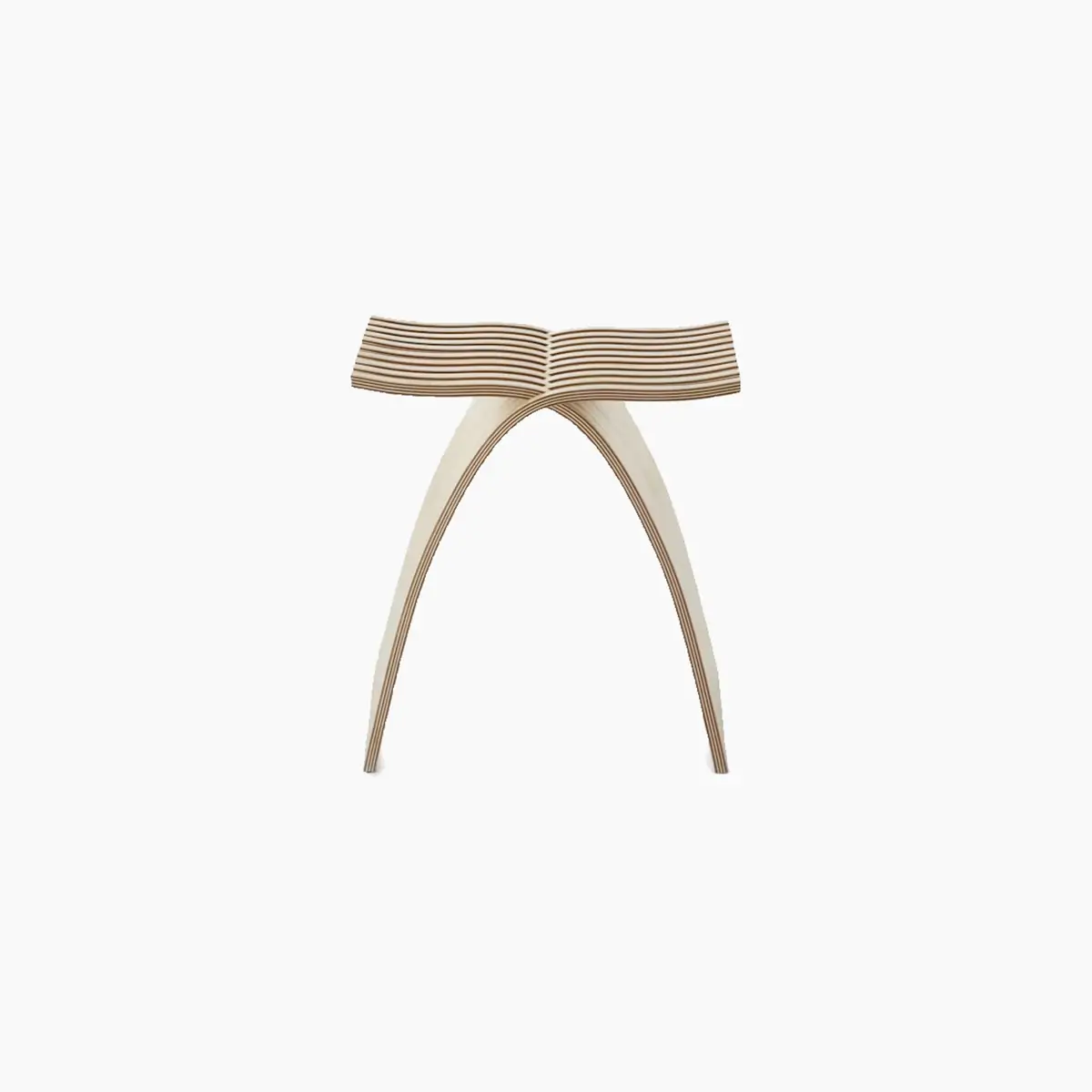
Inspired by interlocking fingers and named after flowing tresses, the Capelli Stool from Herman Miller embodies mid-century modern design at its finest. Uniquely crafted, this modern stool features undulating molded plywood fingers that connect seamlessly without any fasteners. It also doubles as a stylish side table, showcasing a perfect fusion of artistry and functionality.

Brand

Herman Miller

Designers

Carol Catalano

Capelli Dimensions
Height: 17″
Width: 15.5″
Depth: 13.25″

Inspired by interlocking fingers, named after flowing tresses

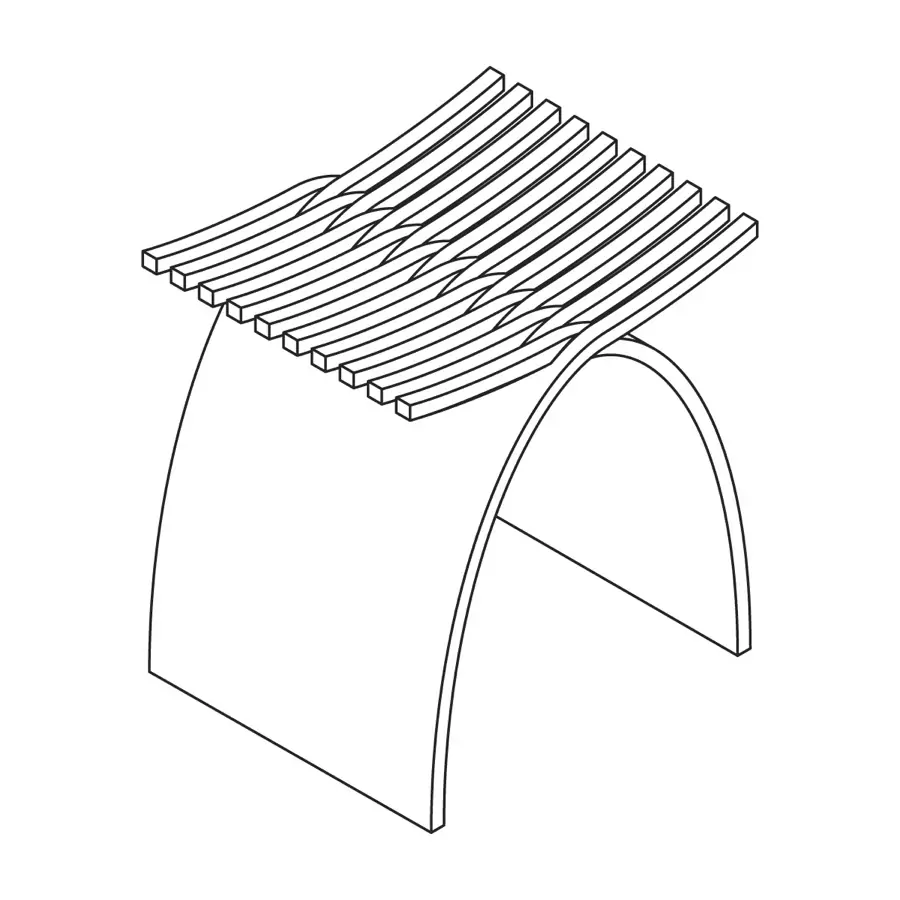
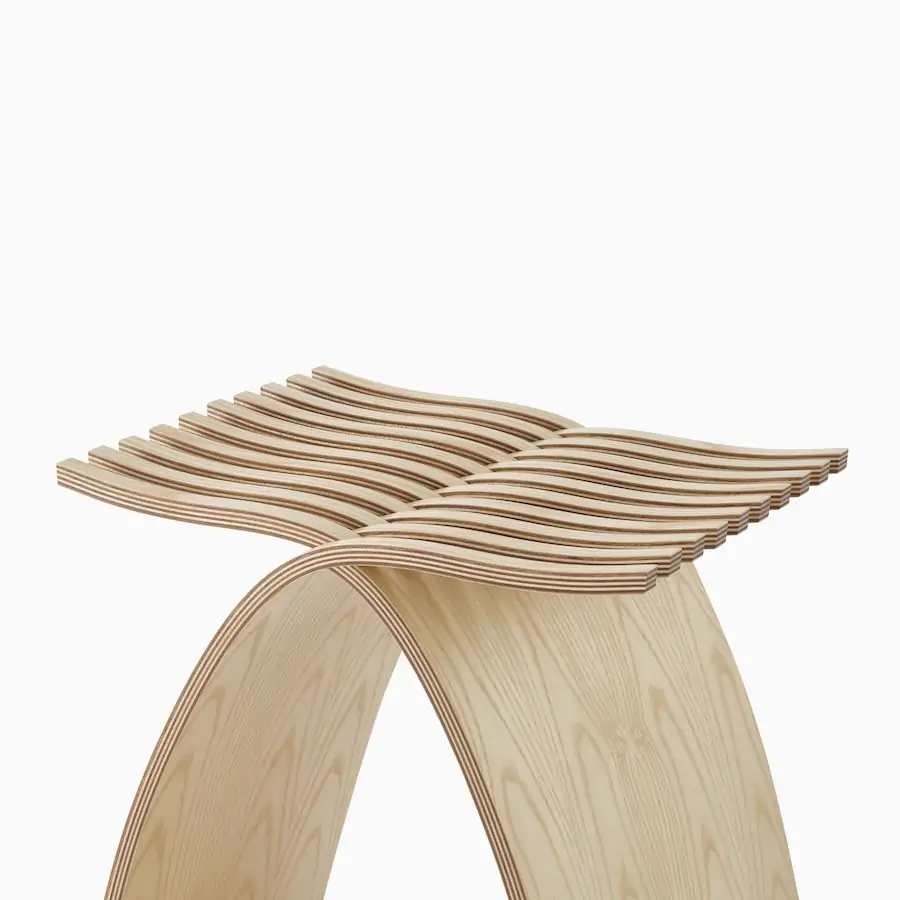
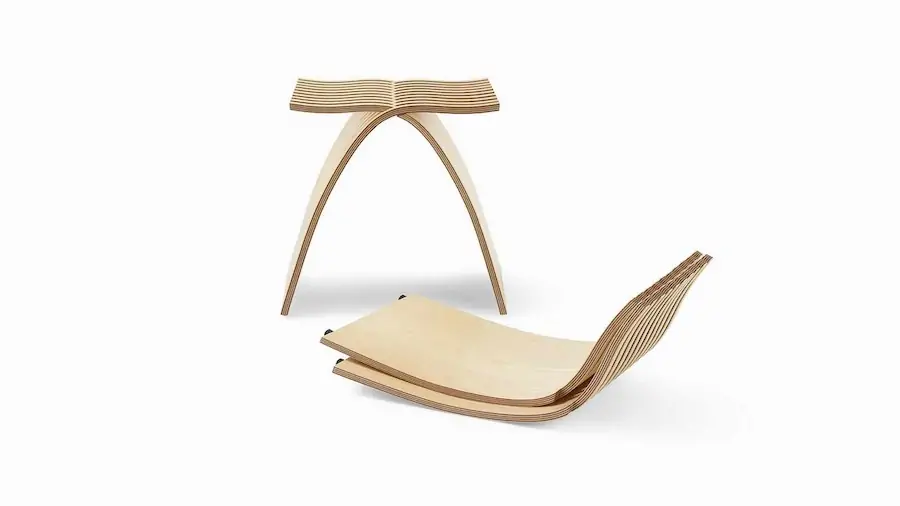
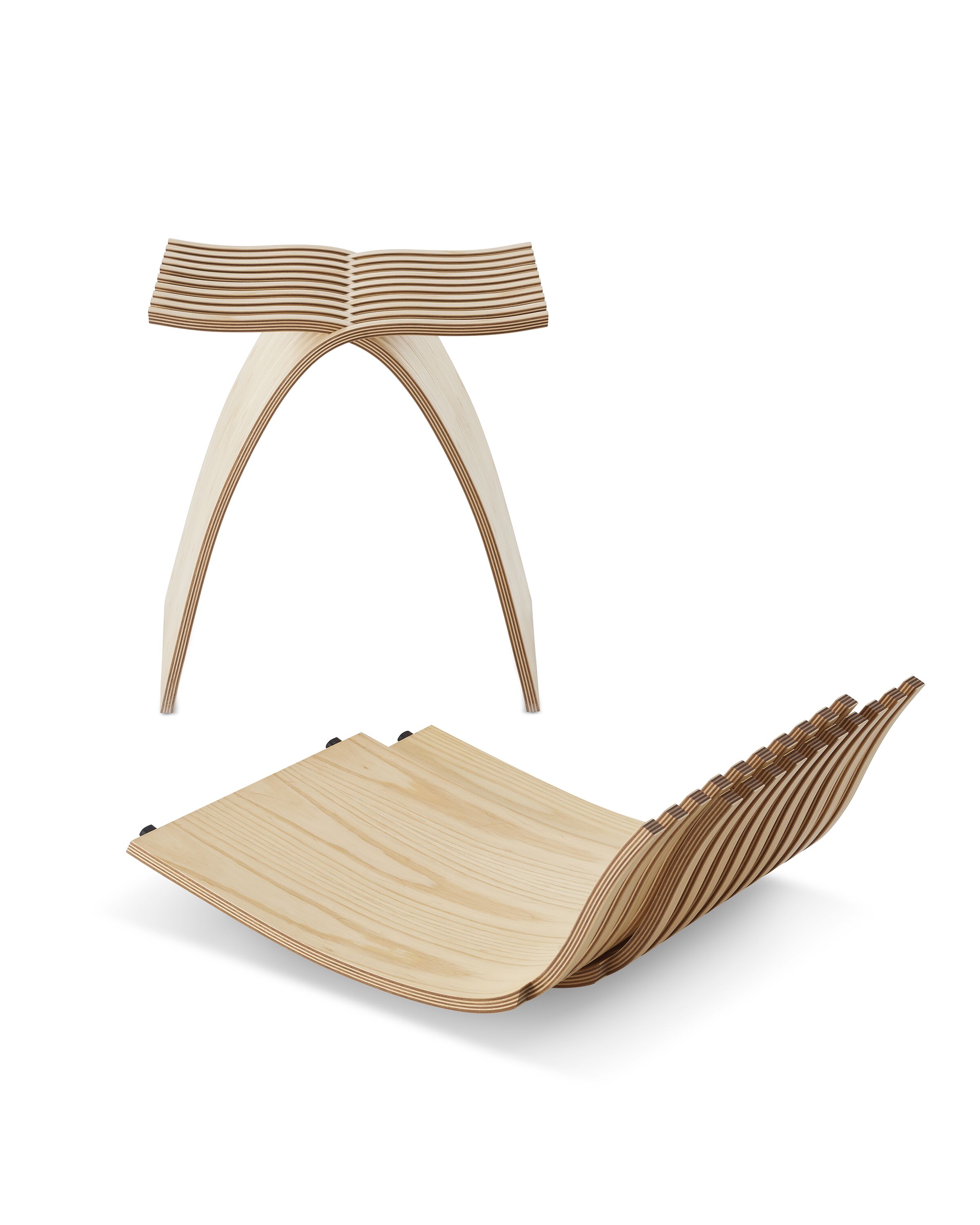
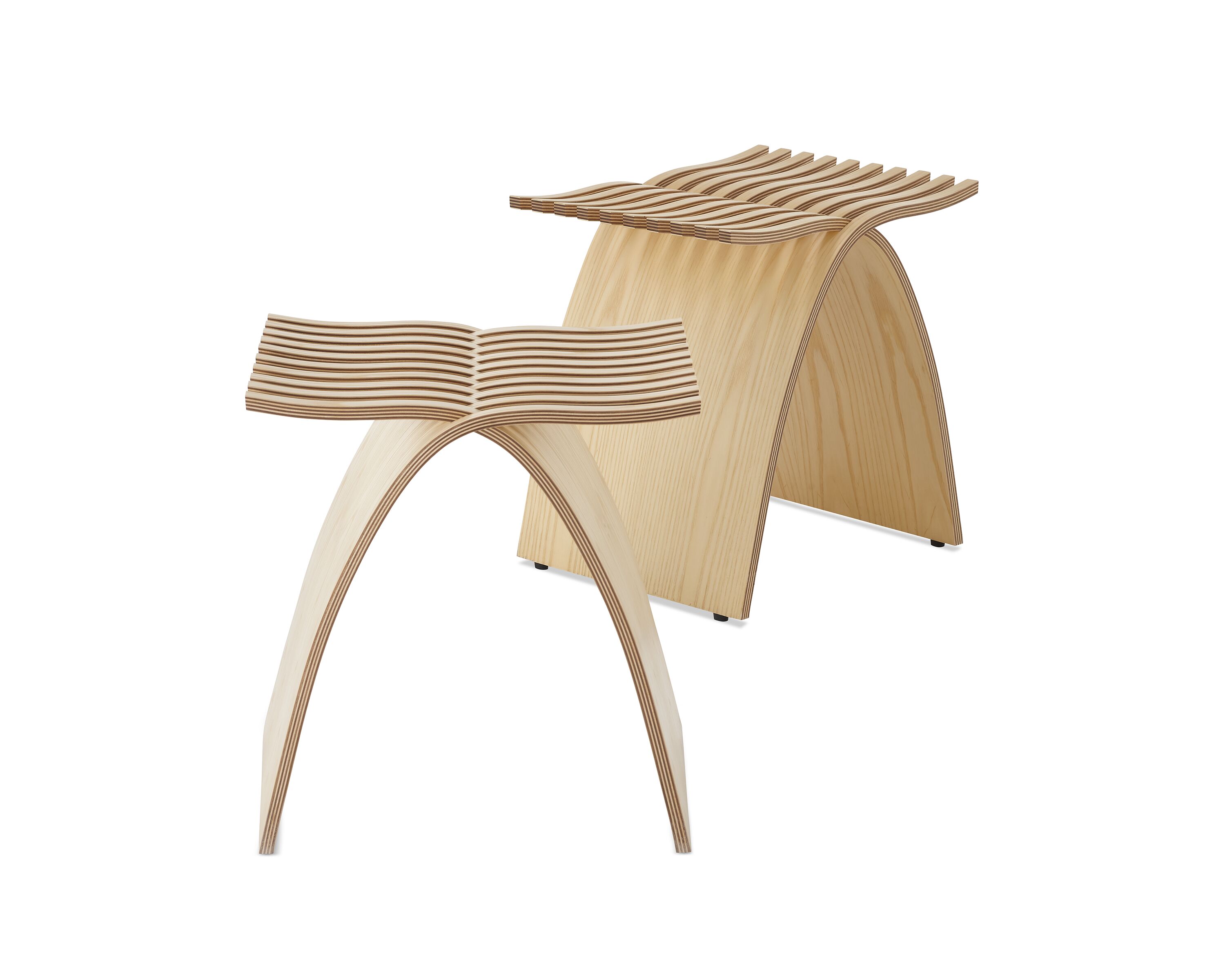
Although the word “capelli” means “hair” in Italian, it was designer Carol Catalano’s folded hands that inspired the ingenious construction of her Capelli Stool. In much the same way that fingers intertwine, the design’s two identical plywood components lock in place—without tools or fasteners. Use Capelli as a seat or a side table, or unlock its stackable components for efficient storage when not in use.

Throwing Shade

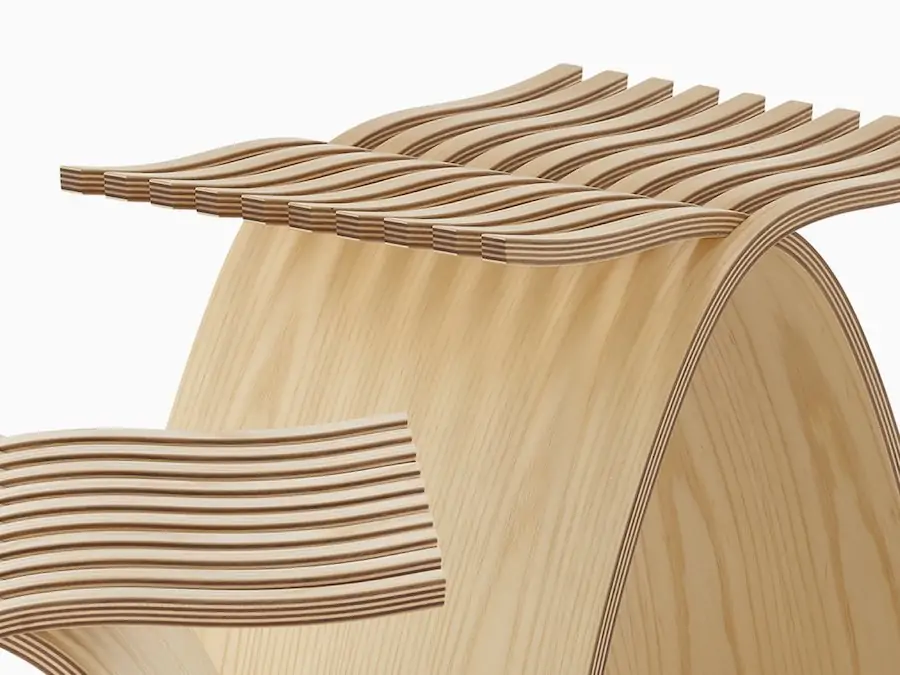
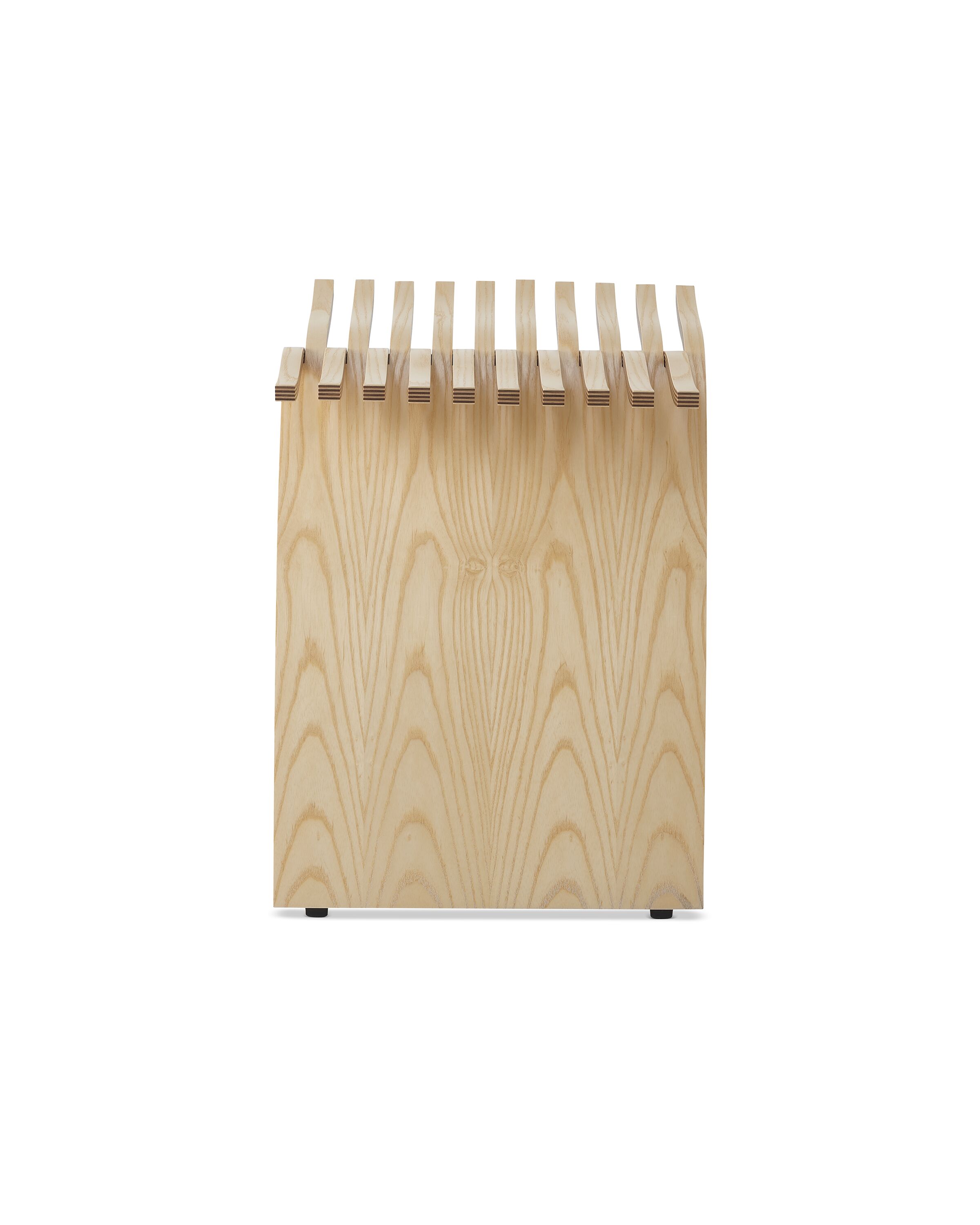
Each molded plywood piece is composed of alternating dark- and light-stained hardwood inner plies with a light ash veneer.

Ingenuity in Adaptability

The surfaces between the stool’s interlocking “fingers” at the top of each piece provide the stops that hold each half of the stool firmly in place when assembled.

Simply Efficient

When disassembled, Capelli’s two halves can be stacked and stowed away efficiently. To reassemble the stool, just fit the “fingers” back together. No tools, no fasteners, no trouble.

Carol Catalano

Her creative interest found a focus when she entered the Rhode Island School of Design (RISD) after high school and discovered industrial design. “After the first project, I knew I had found my life’s work,” she says. Catalano says the training she received at RISD added a whole new dimension to her creativity. “They had a very hands-on approach, so I worked a lot with materials in the machine and wood shops.” In fact, that hands-on training proved valuable when she was working on her Capelli stool. “One of the requirements for the International Furniture Design Competition in Asahikawa (Japan) was to build a full-size prototype,” says Catalano, “which we did—in my garage.” The effort paid off: Her stool took a Silver Prize in the prestigious competition in 1999—one of only eight awards given and the only American design selected from over 700 entries from around the world.
Scroll to Top