Dimensions
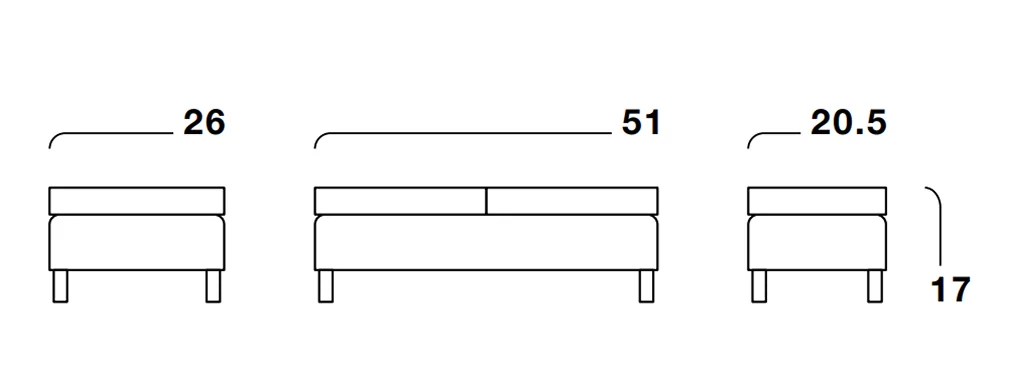
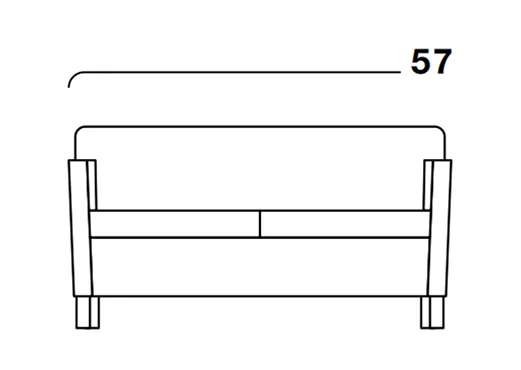
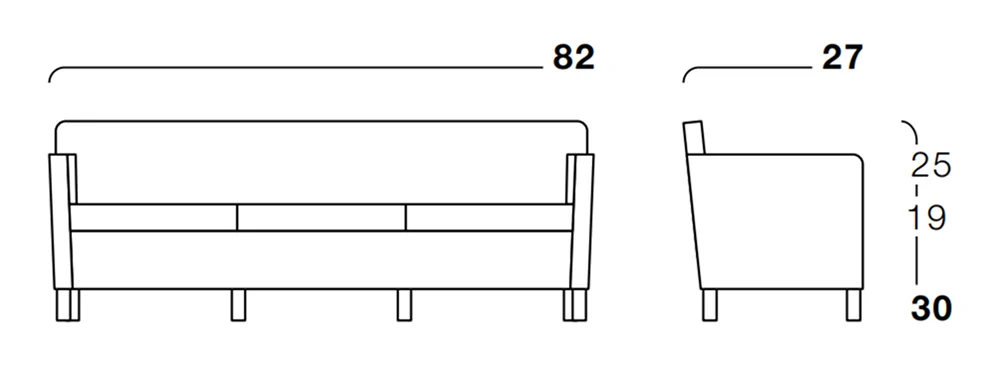
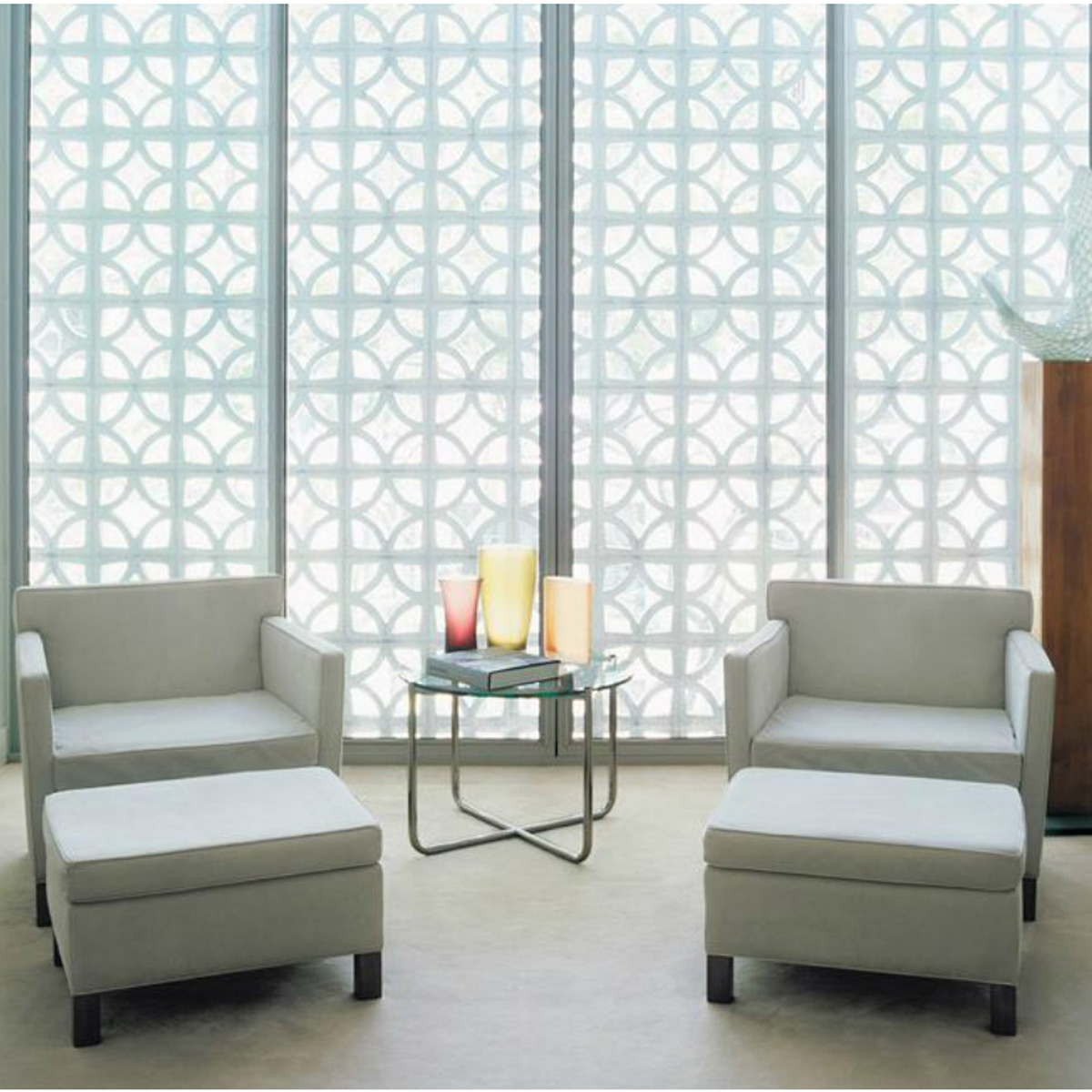

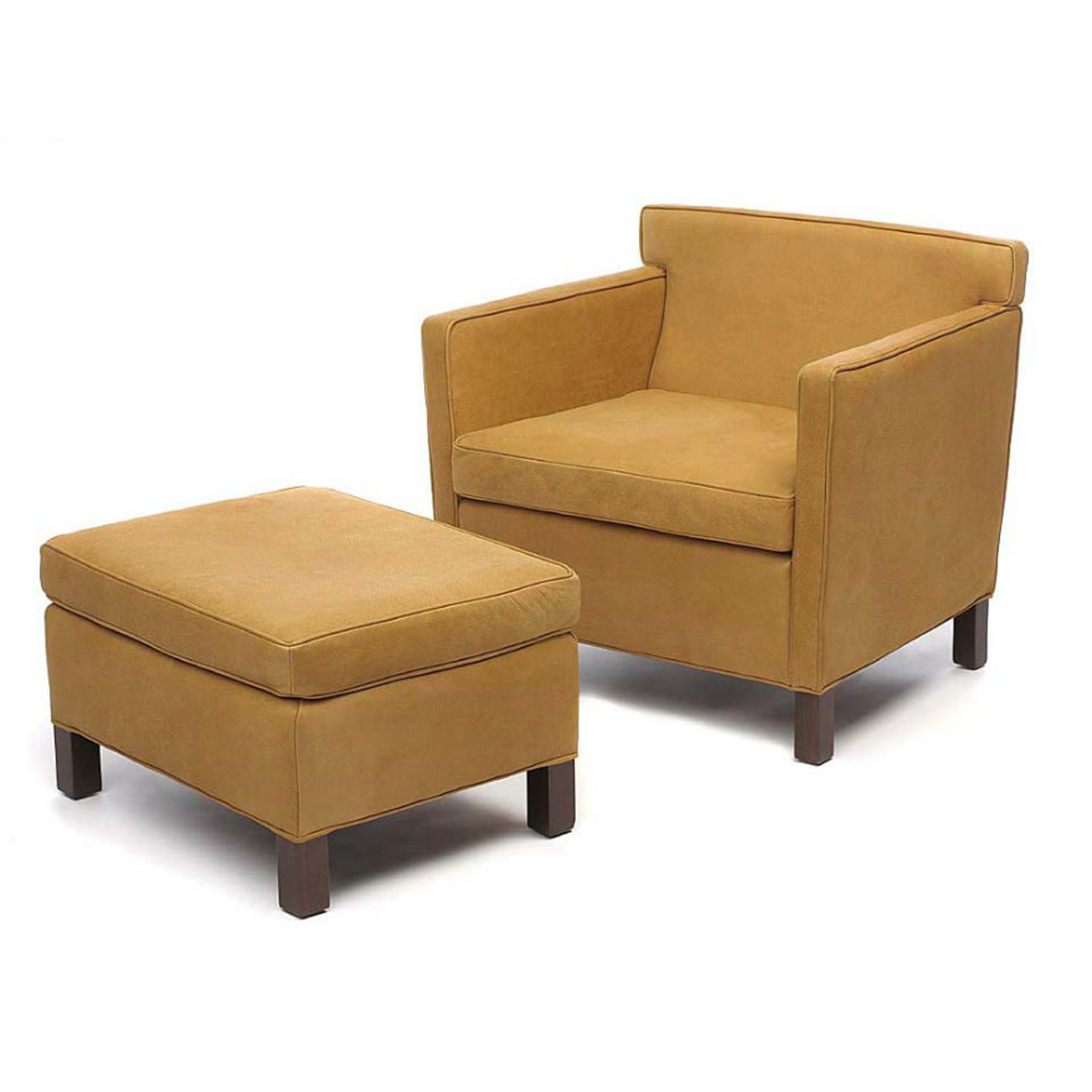

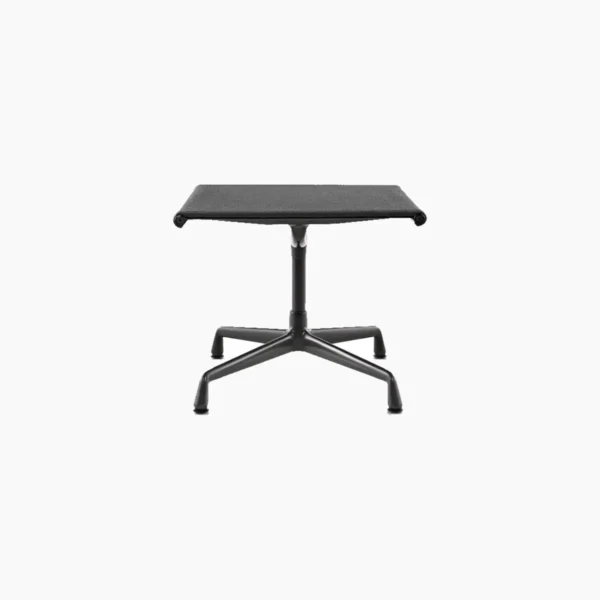
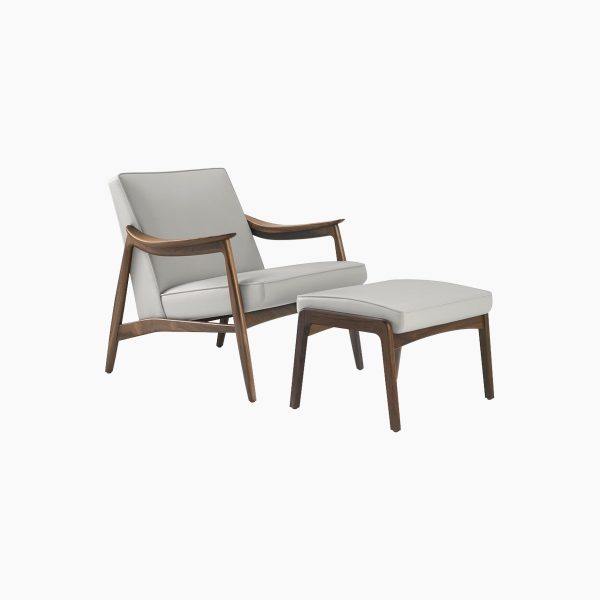
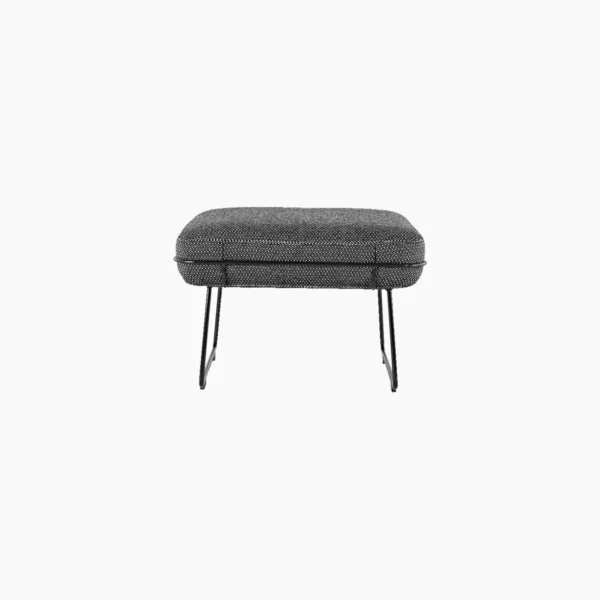


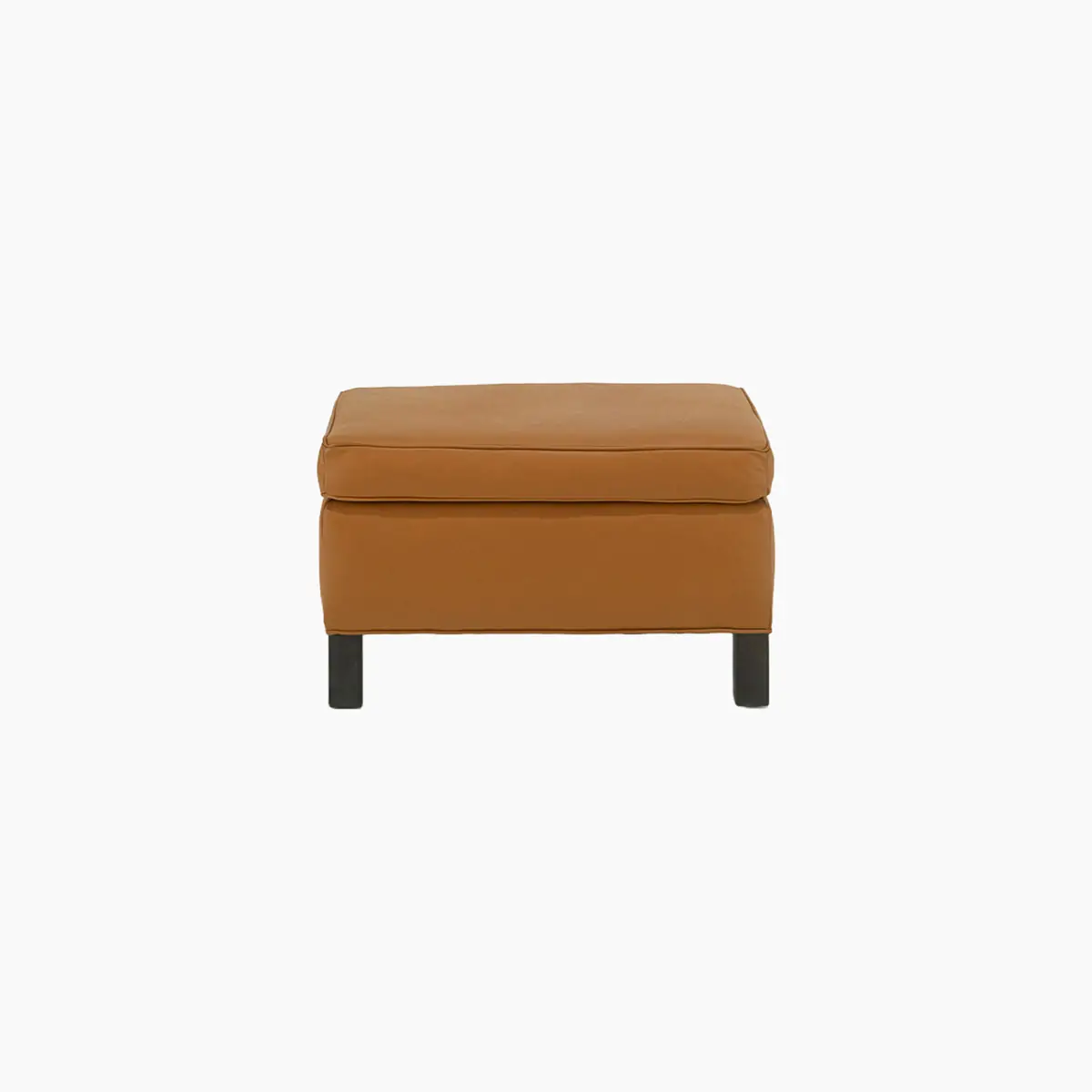
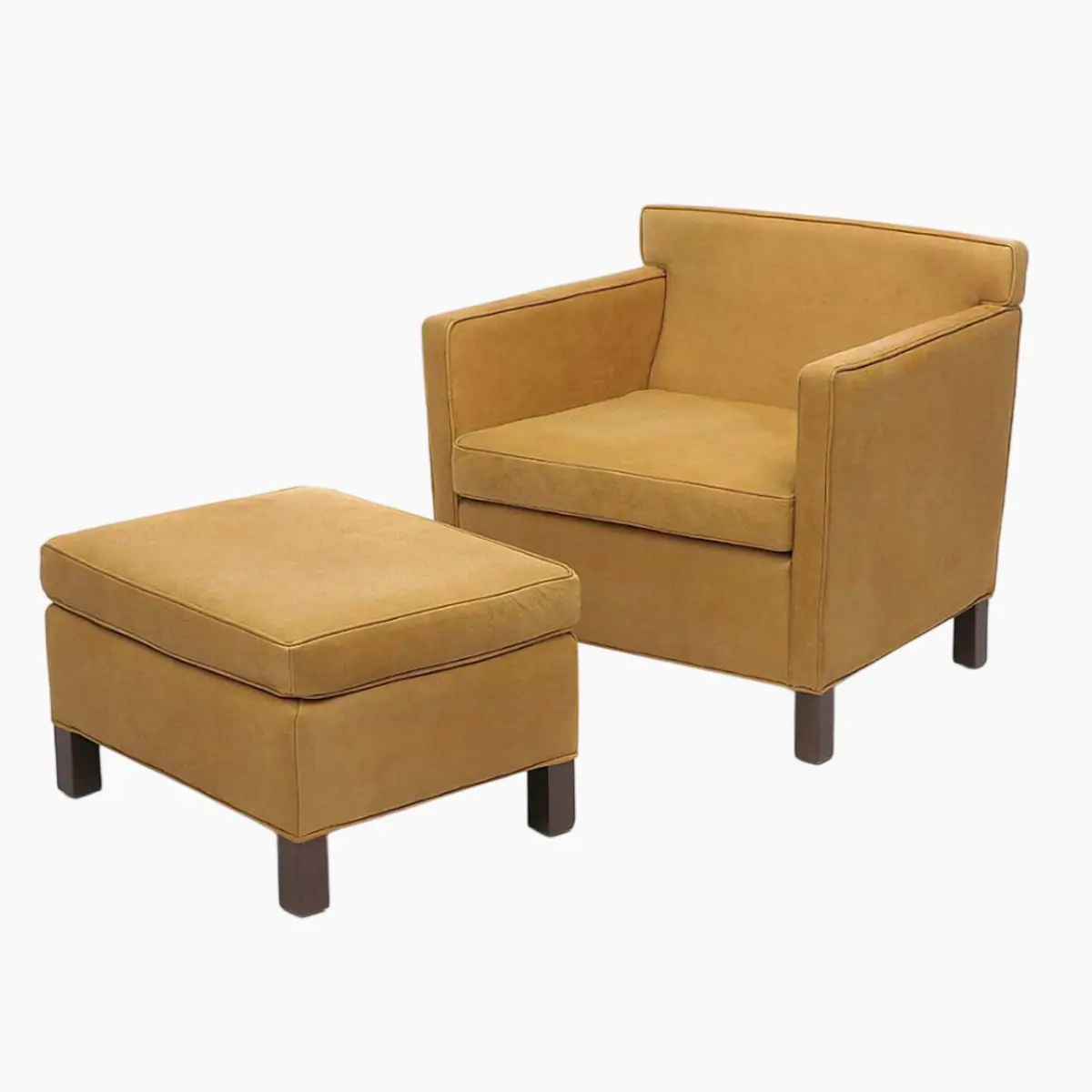
Ottoman
Width 66cm
Depth 52cm
Height 43cm
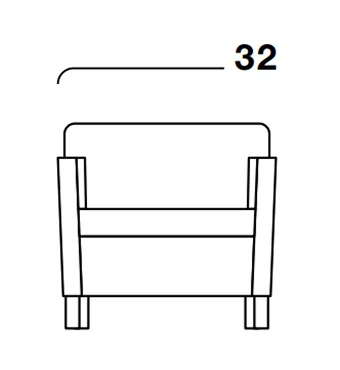
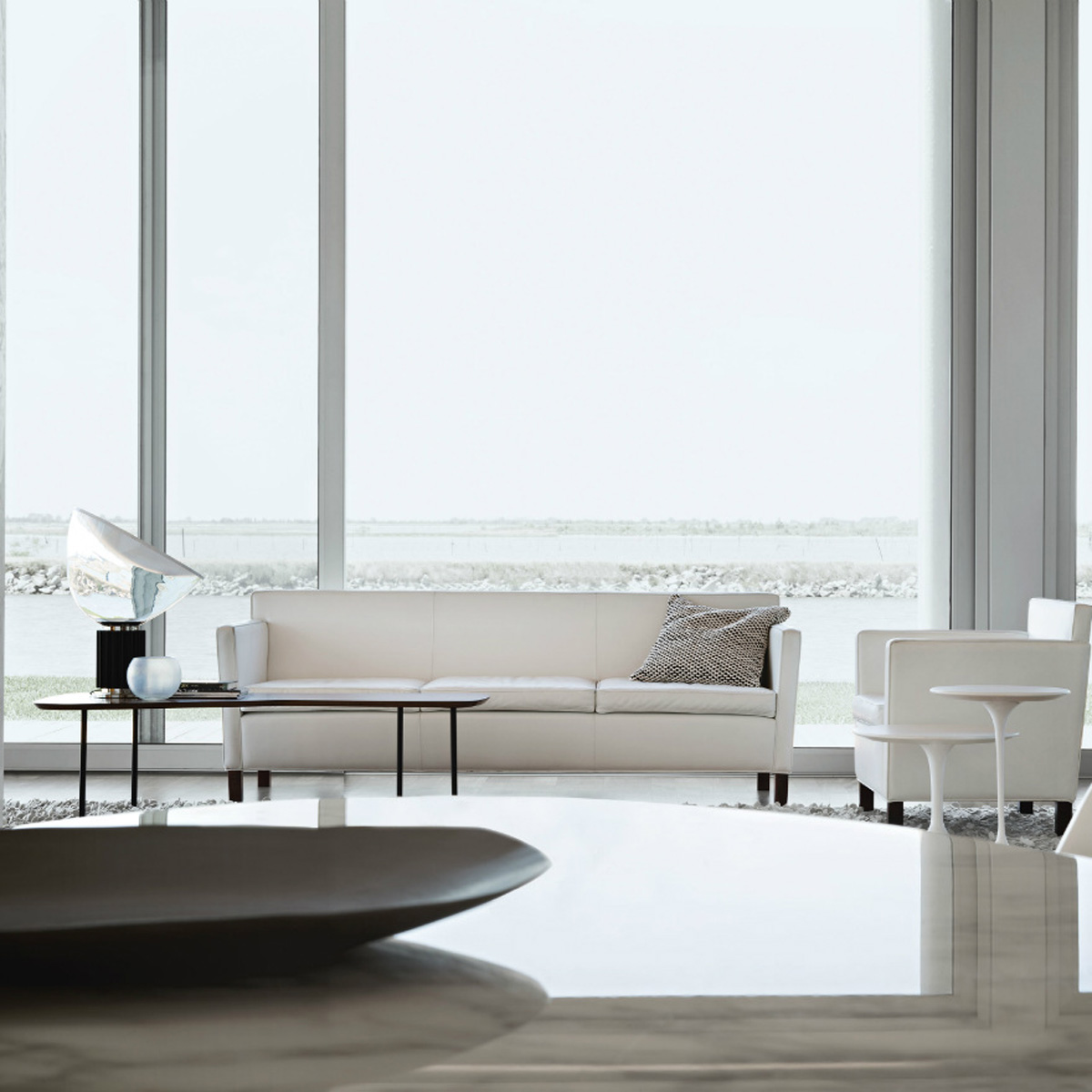
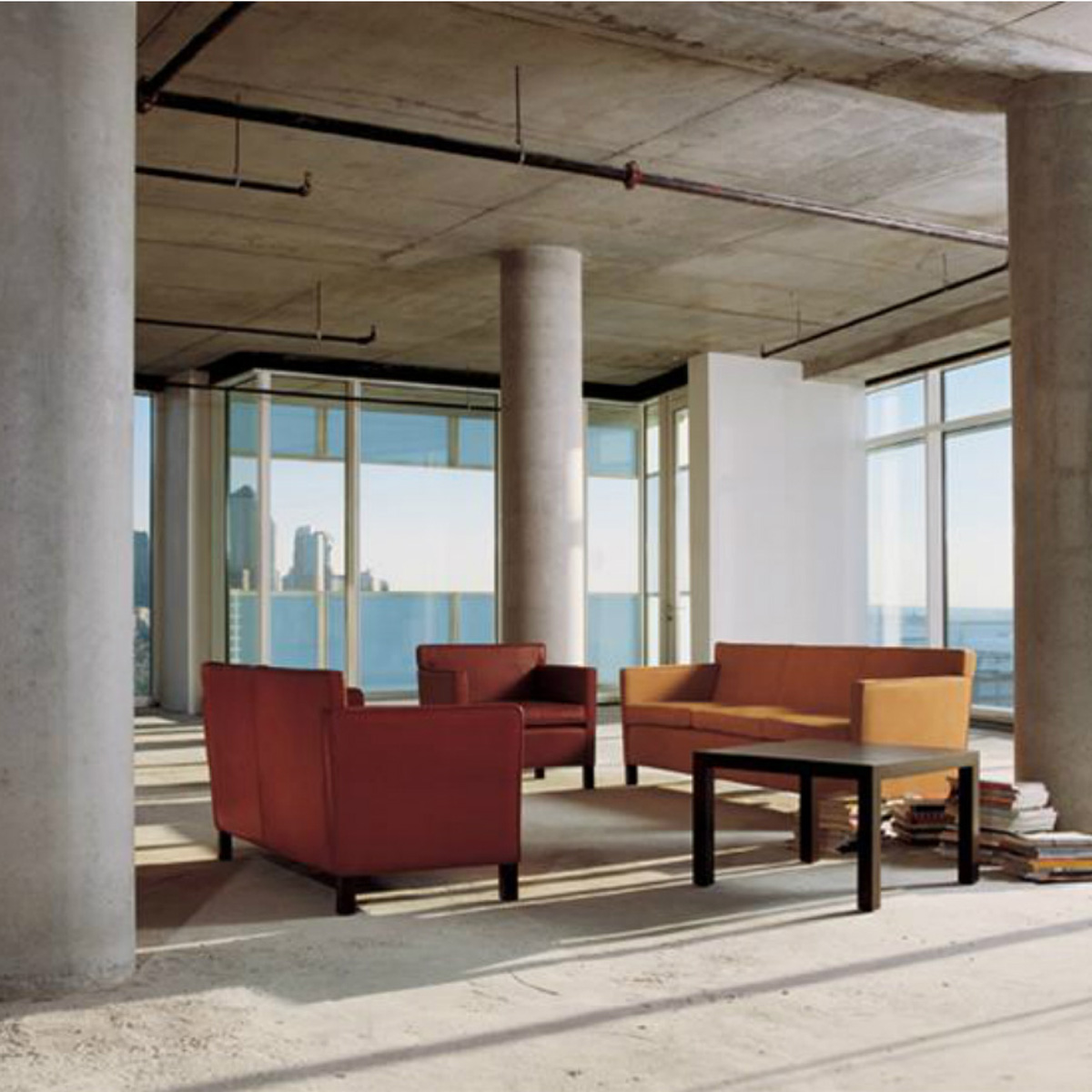
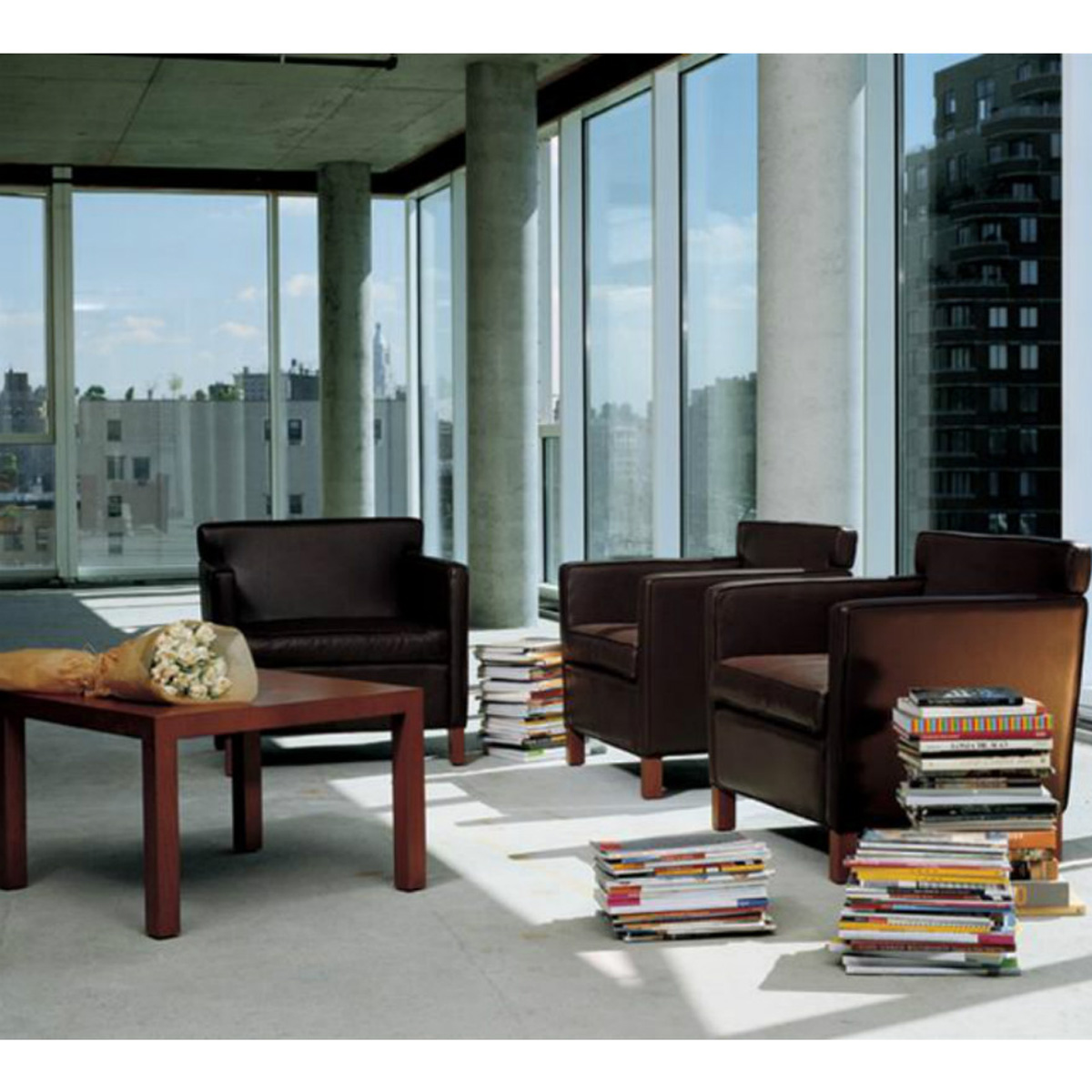
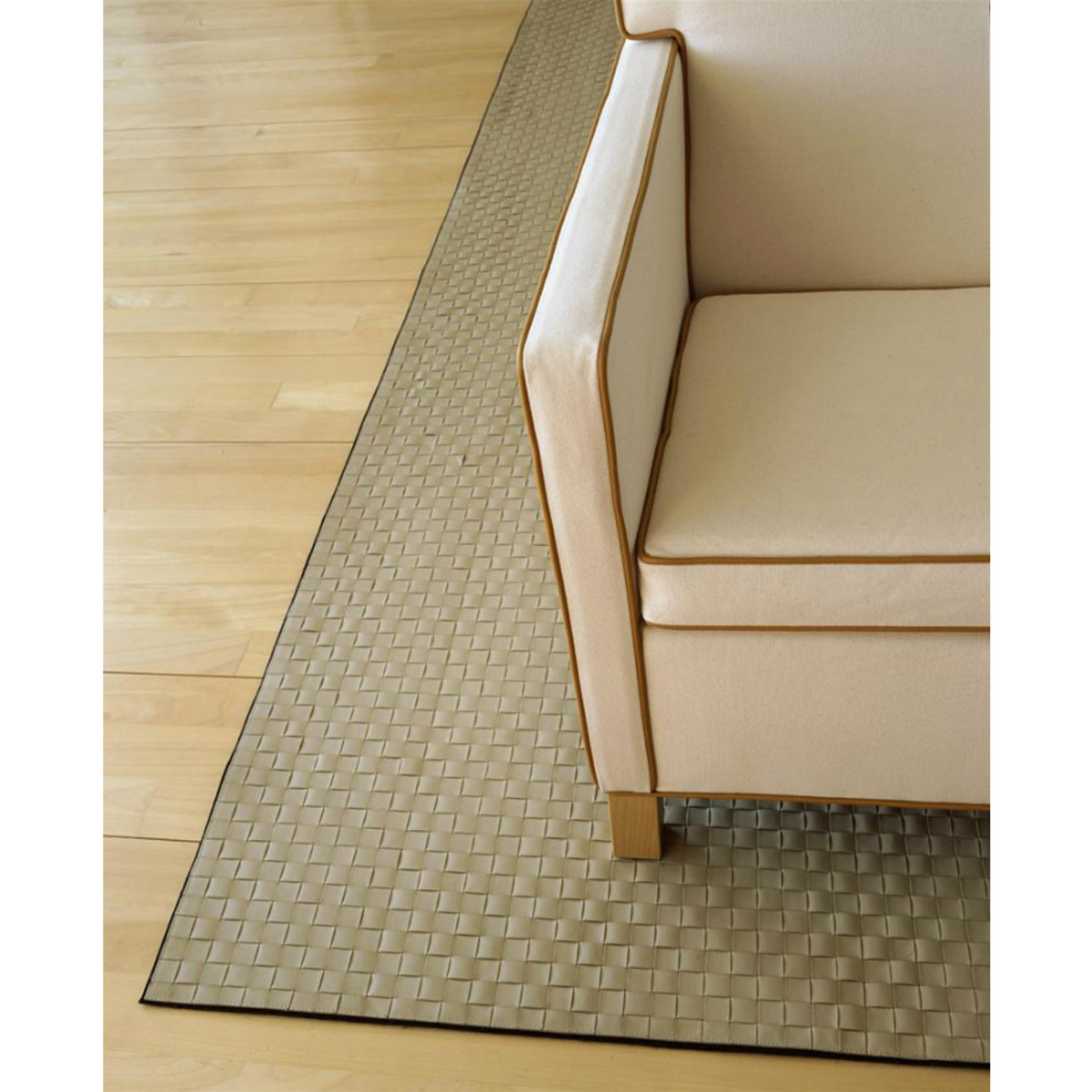
Lounge chair
Width 83cm
Depth 69cm
Height 76cm
Seat Height 44cm
Lounge chair2 seat sofa
Width 145cm
Depth 69cm
Height 76cm
Seat Height 44cm
3 seat sofa
Width 207cm
Depth 69cm
Height 76cm
Seat Height 44cm
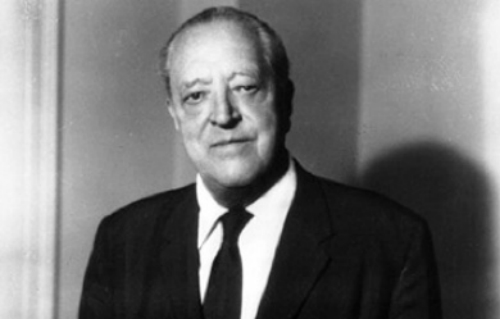
As a rising figure of the modernist movement, Ludwig Mies van der Rohe was selected to design the Weimar Republic’s Pavilion for the Barcelona Industrial Exposition of 1929.
Through masterful proportioning and planning, Mies created a rhythmic and entirely unprecedented space, which elevated industrial-age materials to a level of grace never before achieved. Inside, Mies included chairs and stools conceived as a resting place for the King and Queen of Spain. Determined to create a chair worthy of royalty, Mies is thought to have based the designs, with their signature criss-cross frames, on the campaign chairs of Ancient Rome. Mies: “I feel that it must be possible to harmonise the old and new in our civilisation.”
Although the Barcelona Pavilion only stood for seven months, it is recognised as a defining achievement of modern architecture, as are the accompanying Barcelona Chairs (although the King and Queen reportedly never sat in them).
Mies, a close friend and mentor to Florence Knoll during her time at the Illinois Institute of Technology, formally granted Knoll the production rights to the Barcelona Chair and Stool in 1953. The designs immediately became a signature of the Knoll brand and have been built to Mies van der Rohe’s exacting standards ever since.
Ludwig Mies van der Rohe began his career working in his father’s stonemasonry business. After an apprenticeship with furniture designer Bruno Paul in Berlin, he joined the office of architect Peter Behrens, whose work presaged the modern movement. In 1912, Mies established his own office in Berlin, and later became a member of the Deutscher Werkbund and Director of the Bauhaus.
He immigrated to the United States in 1938, setting up a practice in Chicago. His buildings include the German Pavilion for the 1929 Barcelona Exposition, the Tugendhat Villa in Brno, Czechoslovakia, the Seagram Building, designed with Philip Johnson, a cluster of residential towers along Chicago’s Lakeshore Drive in Chicago, and the Illinois Institute of Technology campus, where he was the director of architecture.